 |
 |
 |




| Csarite Inspires Jewellery Designers | ||||||||||||||||||||||||||||||||
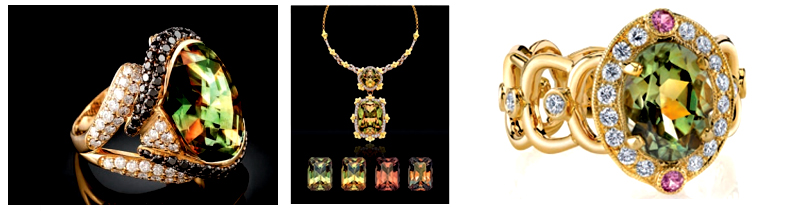
A diverse group of designers are creating a collection of one-of-a-kind
designs on the gemstone Csarite®. Initiated by Erica Courtney
and the Courtney Collection®, this new collection is scheduled
to launch at the Tucson gem show. |
||||||||||||||||||||||||||||||||
 |
||||||||||||||||||||||||||||||||
The
world's largest Csarite®, a 121.65-carat pear-shaped gem, will
be the focal point of a new Csarite® line by Courtney, Other
designers highlighting the natural, colour-change gem will be Canada's
Varouj Tabakian, Turkeys Pinar Oner, and U.S. designers Victor Velyan,
Jennifer Dawes and Katie Diamond. The collection will be displayed
in the Courtney Collection booth #2206 at the GJX show, February
3 to 8, 2015. Milenyum Mining is the world's only source of Csarite®, a natural, unenhanced colour-change gemstone. Responsible for cutting and marketing of this phenomental gemstone, the company's mission is to introduce gem connoisseurs around the globe to Csarite's unique beauty and rarity. |
||||||||||||||||||||||||||||||||
 |
||||||||||||||||||||||||||||||||
| Gemfields Recovers 40-Carat Ruby | ||||||||||||||||||||||||||||||||
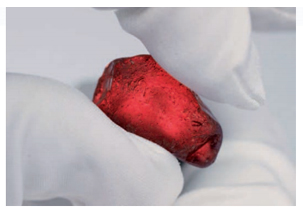
Gemfields recovered a 40.23-carat rough ruby at the Montepuez deposit
in Mozambique. Given the significance of this stone, Gemfields committed
to follow the gemstone from mine to market and its ultimate home.
The gem was appraised in advance of Gemfileds's December ruby auction
in Singapore by the Gubelin Gem Lab in Switzerland. |
||||||||||||||||||||||||||||||||
|
||||||||||||||||||||||||||||||||
|
||||||||||||||||||||||||||||||||
|
||||||||||||||||||||||||||||||||
|
||||||||||||||||||||||||||||||||
| 55th Bangkok Gems & Jewelry Fair To Highlight Regional Linkages | ||||||||||||||||||||||||||||||||
The 55th edition of the Bangkok Gems & Jewelry Fair takes place
next month: the 5-day Fair will run February 24-28, 2015, at the
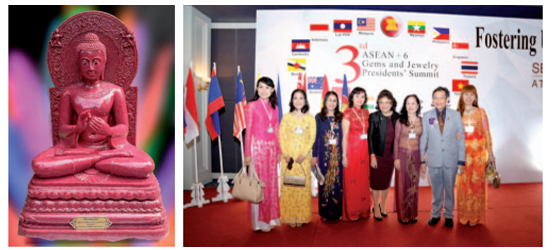
Impact Challenger Exhibition Facility, Muang Thong Thani, Bangkok. A highlight of the Fair will be the unique ruby Buddha statue, made by Thai craftsmen in Chanthaburi and weighing over two tons. At the 55th BGJF, the emphasis will be on the AEC - the Asean Economic Community - which commences operation this year. The AEC will, among other things, facilitate cross-border trade within the Asean region. For the gems and jewellery industry, this means connectivity: the free flow of finished jewellery from Asean manufacturers to Asean markets; and the free flow of rough gemstones from Asean miners to Asean manufacturers. |
||||||||||||||||||||||||||||||||
|
||||||||||||||||||||||||||||||||
The 55th BGJF will be hosting the AEC Jewellery Design Pavilion,
as a platform to highlight jewels from throughout the AEC region.
Together with the Duty FRee entry for items brought into Thailand
for the Fair, the AEC Design Pavilion will emphasize the truly international
charecter of the Bangkok Gems & Jewelry Fair. Spearheading the stategic grownth of the 55th BGJF is Mr Somchai Phornchindarak, President of the Gems, Jewelry and Precious Metal Confederation of Thailand and the Thai Gem and Jewelry Trades Association. Mr Somchai is confident that with outstanding cooperation of the Thai Government and the private sector, the Thai gem and jewellery industry will be able to lead as the AEC moves towards regional integration. |
||||||||||||||||||||||||||||||||
|
||||||||||||||||||||||||||||||||
| Delving
into Van Cleef's Royal Jewels by Vincent Maylan |
||||||||||||||||||||||||||||||||
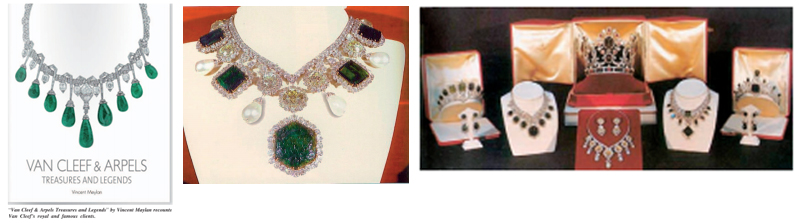
Vincent Maylan's new book, "Van Cleef & Arpels Treasures
and Legends,"digs into treasure troves across the world, recounting
the stories behind Van Cleef & Arpels' creations for princesses,
film stars and ballerinas. In this extract, Pierre Arpels describes
working with the thousands of gemstones owned by the Iranian royal
family and the maison's resulting 1960s creations. Sgah Mohammad Reza Pahlavi wished to celebrate Iran's dynastic, social, economic, and political advances when he planned his coronation in 1966. Having acceded to the throne in the middle of World War II, he had never been crowned. The coronation cerenamy was to respect traditional prococol to the letter; the Shah would wear the Pahlvi Crown, created for his father by the jeweler Haj Serajeddin , who had taken his inspiration from the crowns of the Sassanid dynasty, rulers of iran from the crowns of the Sassaind dynasty, rulers of Iran from the second century to the sixth. He used a total of 3.755 gems from the royal jewels: 3,380 diamonds weighting a total of 1,144 carats, 368 pearls, 4 emeralds and 2 sapphires. |
||||||||||||||||||||||||||||||||
 |
||||||||||||||||||||||||||||||||
The conspicuous - and significant - difference between this coronation
and preceding ones was that on this occasion the Shar's wife would
be crowned with him. A change in the constitution had granted his
wife Farah a status that was almost equal to her husband's. She
had been Queen since her marriage, but now she was officially Sharbanou,
meaning literally "the Shar's lady". Hanceforth the consitution
stipulated that in the event of the Shar's death before his heir
reached the age of maturity , she could rule as regent in her son's
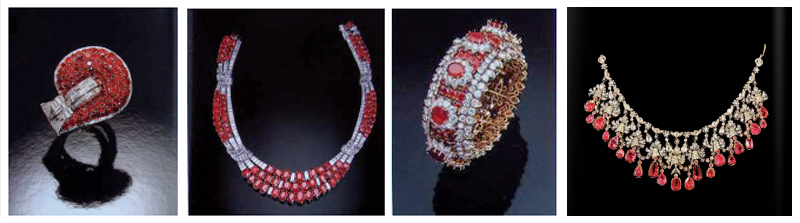
name. It remained to find a crown for the new Shahbanou and it was at this point that Van Cleef & Arpels entered the story . Piere Arpels was in charge of the project. "In november 1966, we received a visit from the Governor of the Bang of Iran, who asked us if we could prepare some designs for the future creation of a crown. Which is what we did. We sent them through the Ambassador, who arranged for them tobe delivered to the governmant in Iran. For several weeks we heard nothing. We later leaned that three or four other jewellers had been sounded out, and each of them had supplied around 15 drawings. For our part, we had sent some 30 drawings. Three designs were retained, two of them from our maison. The final choice was left to the Shahbanou." |
||||||||||||||||||||||||||||||||
 |
||||||||||||||||||||||||||||||||
The decision came on December 16, 1966. One of the two Van Cleef
& Arpels designs had been accepeted. There was no time for the
Paris workshops to celebrate this honour, however, as it quickly
became clear that the making of the crown was to be something of
an obstacle course. The budget was not an issue, as it was a question
of making the armature alone, without supplying the gems, as these
would come from the crown jewels. Nor was the choice of stones a
problem, as the crown jewels contained thousands of unmounted gemstones
of every possible shape and hue. The difficulty lay in the status
of the stones. |
||||||||||||||||||||||||||||||||
 |
||||||||||||||||||||||||||||||||
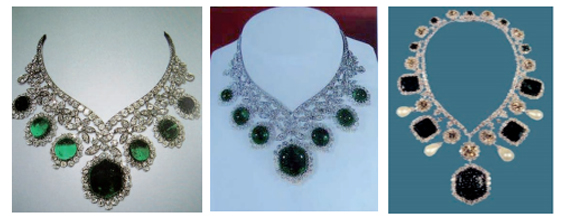
So 24 trips to Iran were needed to complete this imperial commission.
The task was made all the more delicate by the fact that in March
1967 the court added a second commission, The task was made all
the more delicate by the fact that in March 1967 the court added
a second commision, this time for the mounting of three parure,
wo in emeralds and diamonds and the third in diamonds, for the Shah's
eldest daughter Princess Shahnaz and Princess Fatemeh. On his first trip to the Iranian jewel vaults, Pierre Arpels chose the central stones around which the whole structure of the crown would be laid out: "A very large shell-shaped emrald, together with another even larger emerald, hexagonal and engraved, like the shell, These two gems together offered the advantage of being extraoridinary in size. The hexagonal emerald weighed 150 carats, the shell-shaped stone between 50 and 60 carats. After working for three 10-hour days, we finally managed to assemble all the essential stones for the crown. We classified them by quality, and numbered them on the various plans and framworks that we had made. We were still ham strung by the veto on re-cutting or even retouching the principal gemstones. We set off back to Paris with plans and numbers, but without the stones, which stayed behind in the bank vaults". |
||||||||||||||||||||||||||||||||
On his second trip, in late January 1967, Pierre Arpels took with
him not only a larger team but also 60 kgs of equipment, including
tools, wax bloacks and plaster. The stucture of the entire surface
of the crown was copied in two dimensions on blocks of black wax,
which were spread out on a table in a secluded area of the Bank
Markazl vault, "All the stones, now in small paper oackets,
were placed on the wax blocks in the positions they had been given
on the crown," Arpels explains. |
||||||||||||||||||||||||||||||||
The ceremony, on October 26, 1967, was televised throughout the
world. At dawn, the Shah, his bride, and the crown prince left the
Niavaran Palace, overlooking the city, to fly by helicopter to the
Marble Palace, the former residence of Roza Shah in central Tehran.
From there, they were to drive in a carriage procession to the Golestan
Palace. The day before, the imperial throne had been transferred
from the vaults of the Bank Markazi to the Great Hall of the Marble
Palace. Instead of the traditional Peacock Throne, a vast affair
of Mughal inspiration so tall that it had its own steps for the
sovereign to climb up to it, the Shar had chosen to use the more
classic Naderi Throne, consisting of an imposing seat with backrest
and arms and a low foorest. Composed of 12 detachable wooden panels,
It was sheathed throughout in sheets of gold set with 26,733 rubies,
diamonds, emeralds and spinels. The 9 principal engraved emralds
set into the backrest weighted between 150 and 200 carats. |
||||||||||||||||||||||||||||||||
The crown prince, then aged seven, was the first to enter the Great
Hall, where he took his seat to the left of Naderi Throne to await
his parents. In the front row to the left, close to the empress's
seat, sat Princess Shahnaz, Princess Farahnaz (then aged four),
Princess Shams, and Princess Ashraf, with the other members of the
imperial family behind them, "I came to kneel at the Shar,"
Empress Farah later remembered, "and when he placed the crown
on my head, I left as though he was crowning all the women of Iran,"
In the empress's view, the crown swept away centuries of humillatin,
proclaiming more emphatically than any law that men and women were
equal. |
||||||||||||||||||||||||||||||||
|
||||||||||||||||||||||||||||||||
| HRD Awards 2015 Nominees Selected | ||||||||||||||||||||||||||||||||
 |
||||||||||||||||||||||||||||||||
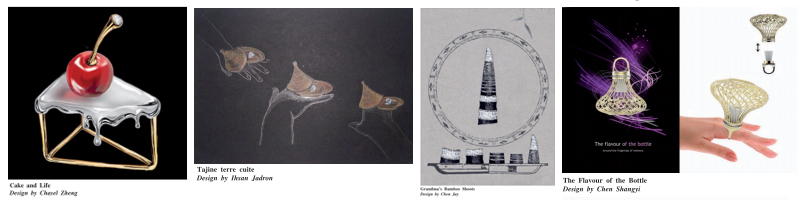
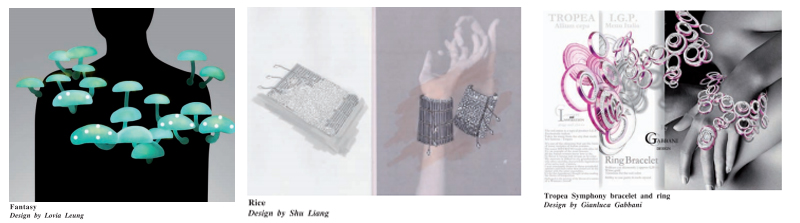
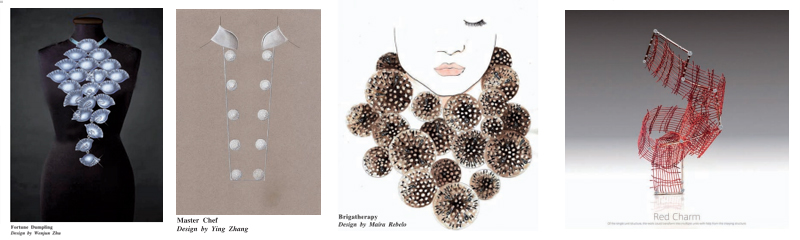
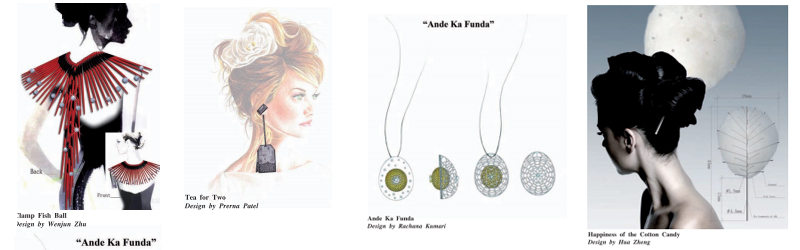
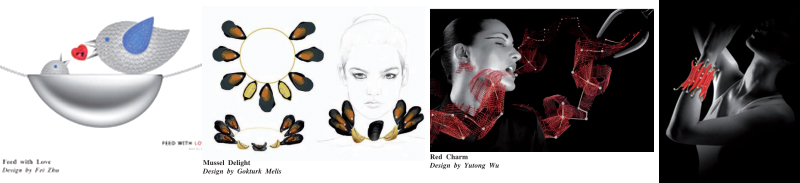
. A
Professional jury has selected 39 designs eligible for entering
the next stage of the HRD Awards 2015. These designs will be executed
in collaboration with corporate sponsors providing diamonds for
use in the designs and services to help designers accomplish the
actual fabrication. Once the fabrication of all the designs is complete,
an international jury will select the winner and three finalists
which are to be announced at the grand finale in October 2015 during
the world Expo in Milan. |
||||||||||||||||||||||||||||||||
 |
||||||||||||||||||||||||||||||||
. HRD Antwerp, one of the world's leading diamond grading labs and global service provider to the diamond and jewellery industry, annouces the launch of the 16th edition of the HRD Awards. |
||||||||||||||||||||||||||||||||
 |
||||||||||||||||||||||||||||||||
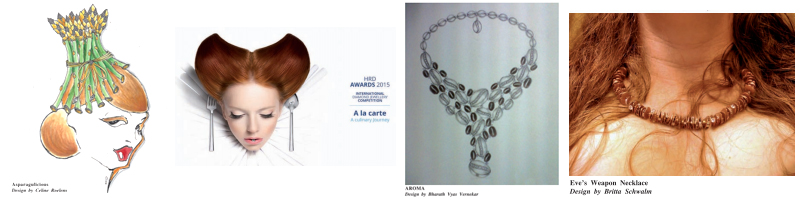
| A la Carte A Culinary Journey HRD Antwerp is launching its biennial international diamond jewellery design competition with the chance for a jewellery designer to win not only a prestigious international award, but to stake his/her piace on the global jewellery map. The HRD Awards is widely recognized as the world's leading design contest in creative and innovative diamond jewellery, and the theme given to the 16th edition of this competition "Al la Carte, A Cultinary Journey" encourages designers to produce sparkling and copious jewellery, seasoned with diamonds. The laureates of the competition are guaranteed a worldwide audience for their designs. |
||||||||||||||||||||||||||||||||
 |
||||||||||||||||||||||||||||||||
The winning collection will be exhibitied and promoted during 2015
and 2016 in Belgium and abroad, with an opening exhibition to take
place on May 1 until October 31 2015 in the Belgian Pavilion at
the World Expo in Milan, Italy. The competition is open to designers from all over the world. Entries must be original designs, the interpretation of the theme is critical and the jewelery item must at least contain 1 ct of diamonds. The entries will be judges by an international jury looking for the best "unique" piece of jewellery with the winner receiving a cash prize of US$10,000, the four finalists US$2.500 each. All applicanted website www.hrdawards.com before October 31, 2014. Contestants could submit as many different designs as they want. The actual diamond jewellery pieces have to be submitted before March 15, 2015. |
||||||||||||||||||||||||||||||||
 |
||||||||||||||||||||||||||||||||
| Jury A professional jury will pre-select the designs that will enter the next stage of the competition: The actual creation of the jewel. Diamonds are provided by Antwerp and international diamond companies. - Georges Cuyvers - Max Laurent De Cock - Nico Delaide - Nico Taeymans - Edith Vervliet - Veerie Van Wilder |
||||||||||||||||||||||||||||||||
 |
||||||||||||||||||||||||||||||||
|
||||||||||||||||||||||||||||||||
|
||||||||||||||||||||||||||||||||